
How to Protect Your Website From Hackers in 2026
Hackers do not only target big corporations. In fact, small businesses are their favourite prey because they often lack strong defences. If you run a website in the UAE, following a few practical website security tips can be the difference between staying safe and waking up to a defaced homepage, stolen customer data, or a site blocked by Google. The good news is that most attacks exploit basic weaknesses, and closing those gaps does not require a technical background. This guide walks you through the essential steps to protect your website in 2026.
Why Small UAE Businesses Are Targets
Attackers use automated bots that scan thousands of websites every hour, looking for outdated software and weak passwords. They do not care whether you are a large bank or a small Dubai boutique. If your site has a hole, the bot finds it. A hacked site can be used to send spam, host scam pages, steal customer details, or simply damage your reputation. Understanding that you are a target is the first step toward taking security seriously.
1. Use Strong, Unique Passwords
Weak passwords remain the number one cause of hacked websites. A password like your business name or 123456 can be cracked in seconds.
- Use at least 14 characters mixing letters, numbers, and symbols.
- Never reuse the same password across your hosting, email, and admin logins.
- Use a reputable password manager so you never have to remember them all.
Change any default passwords immediately, especially the admin account on your website platform.
2. Turn On Two-Factor Authentication
Two-factor authentication adds a second lock to your accounts. Even if a hacker steals your password, they cannot log in without the code from your phone. Enable it on your hosting control panel, your website admin, and your email. It is one of the simplest and most powerful defences available, and it takes only minutes to set up.
3. Keep Everything Updated
Outdated software is the doorway hackers use most. Every theme, plugin, and platform update often fixes a known security hole. When you delay updates, you leave that door wide open.
- Update your website platform, themes, and plugins promptly.
- Remove any plugins or themes you no longer use, as inactive ones still pose a risk.
- Only install software from trusted, reputable sources.
Most hacks are not clever. They simply walk through a door the owner forgot to lock.
4. Install SSL and Force HTTPS
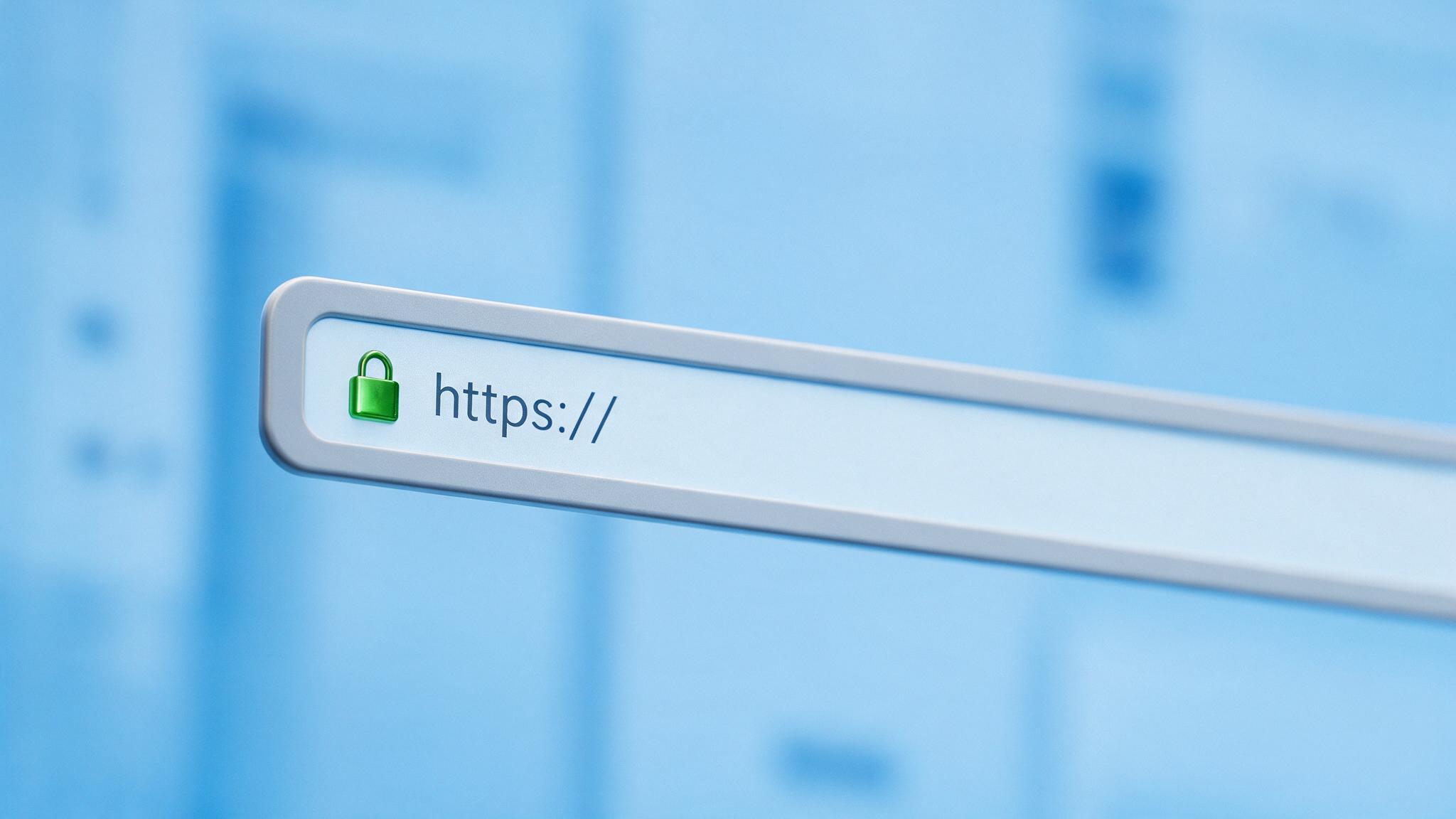
An SSL certificate encrypts data between your site and your visitors, protecting passwords and personal details from being intercepted. Beyond security, it removes the browser "Not secure" warning that frightens UAE customers away. Make sure SSL is active and that every visitor is redirected to the https version of your site.
5. Use a Web Application Firewall
A web application firewall, often called a WAF, sits in front of your website and blocks malicious traffic before it reaches you. It filters out common attacks such as bots trying to guess passwords or inject harmful code. Many quality UAE hosting plans include a firewall, and it works quietly in the background to stop threats automatically.
6. Limit Login Attempts and Hide Your Admin Page
Bots try to break in by guessing passwords over and over. You can shut this down by limiting the number of failed login attempts before an address is temporarily blocked. Changing the default admin page address also makes your login harder to find. Together these steps stop the most common brute force attacks.
7. Scan for Malware Regularly
Malware can hide on a site for weeks before causing visible damage. Regular scanning catches infections early, before they spread or get your site blacklisted by Google. Choose hosting that includes malware scanning, or use a trusted security tool, and act quickly on any warnings.
8. Keep Reliable Backups
Even with strong defences, no site is completely immune. A recent backup is your safety net. If the worst happens, you can restore a clean version of your site in minutes instead of rebuilding from nothing. Use automatic, off-site backups and test that they actually work.
9. Control User Access
Not everyone needs full admin rights. Give each person only the access they need to do their job. When a staff member or contractor leaves, remove their account straight away. Fewer privileged accounts mean fewer ways in for an attacker.
10. Choose Secure Hosting
Your hosting provider is your first line of defence. A strong host protects the server itself with firewalls, isolation between accounts, monitoring, and rapid patching. Cheap, overcrowded hosting can expose your site to problems caused by neighbours on the same server. Secure UAE hosting builds much of this protection in for you.
Frequently Asked Questions
I have a small brochure site. Do hackers really care about me?
Yes. Automated bots attack sites of every size to use them for spam or scams. Small sites are often easier targets precisely because owners assume they are too minor to bother with.
What is the single most important security step?
If you can only do one thing, keep your software updated and use strong passwords with two-factor authentication. These basics stop the overwhelming majority of automated attacks.
How do I know if my website has been hacked?
Warning signs include unexpected redirects, strange new pages, a sudden drop in traffic, browser warnings, or your host suspending the account. Regular scanning helps you catch problems early.
Lock Down Your Website Today
Website security is not a one-time task, it is an ongoing habit built from simple, consistent steps. Strong passwords, two-factor authentication, timely updates, a firewall, and reliable backups will keep the vast majority of hackers out. Start with secure hosting that handles much of the heavy lifting for you. Protect your UAE business with fast, secure, and well-defended hosting from Dirham A Day hosting and give your website the protection it deserves in 2026.
Ready to get online with a UAE host?
Fast local servers, free SSL, daily backups and support that answers. Set up in minutes.
See hosting plans